BPC-157: what does the research actually show?
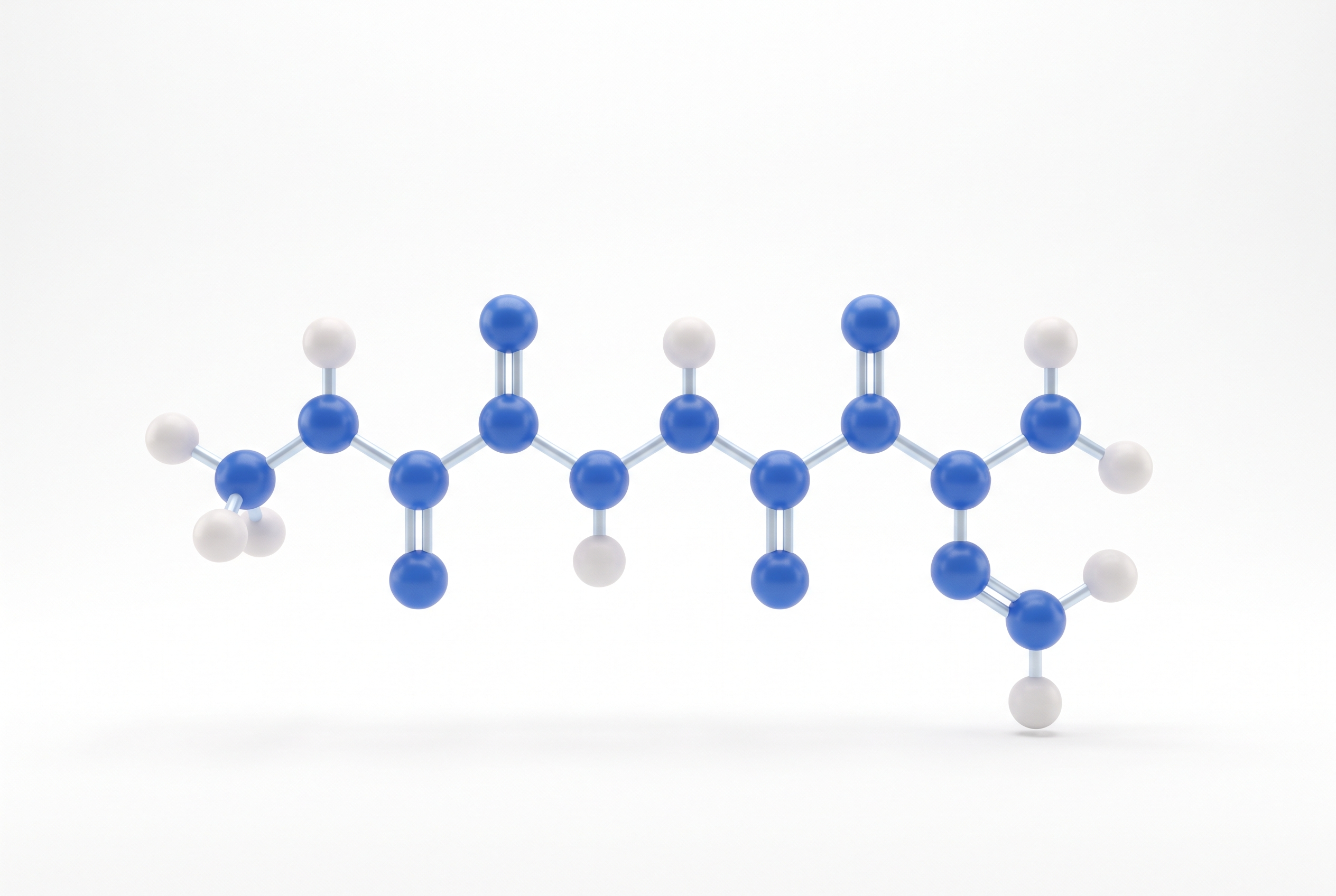
BPC-157 is one of the most talked-about research peptides, and also one of the most misrepresented. This is a plain look at what the published science does and does not say, with the sources cited so you can check them yourself.
What is BPC-157?
BPC-157, short for Body Protection Compound-157, is a synthetic peptide made of 15 amino acids (a pentadecapeptide). Its sequence is derived from a partial fragment of a larger protein first identified in gastric juice, and one notable property reported in the literature is that it stays stable in human gastric juice rather than breaking down quickly.1 Axon supplies it as a lyophilised powder for in-vitro laboratory research use only.
How has it been studied?
Almost all of the published work on BPC-157 is preclinical. That means it comes from two kinds of research: cell-culture experiments (in vitro) and studies in animals, mostly rats and mice. This matters, because a result in a cell dish or a rat does not automatically carry over to humans. When you read that BPC-157 "does" something, the honest version is usually "in an animal or cell study, researchers observed."
Preclinical evidence is where research begins, not where it ends. It can point to a mechanism worth studying, but it cannot establish a safe or effective human use. Reviews of BPC-157 make this limitation explicit.
What has the literature investigated?
Across the preclinical record, researchers have looked at BPC-157 mainly in the context of tissue-repair biology. A frequently cited direction is its interaction with growth-factor signalling: in one in-vitro study on tendon fibroblasts taken from rat Achilles tendon, BPC-157 increased expression of the growth hormone receptor in a dose- and time-dependent way, which the authors proposed as one route by which it could influence tendon-cell activity.2 Broader reviews have gathered the animal work on soft-tissue, tendon, ligament and muscle repair in one place, alongside its reported effects on new blood-vessel formation.3 These are laboratory observations about biological pathways, not demonstrated outcomes in people.
Where does the evidence actually stand?
This is the part most product pages skip. The consistent theme across recent reviews is that the preclinical signal is interesting but the human evidence is thin. A 2025 systematic review of BPC-157 in orthopaedic sports medicine found that the supporting data remain largely preclinical, with a shortage of high-quality human trials, and called for controlled clinical research before any conclusions are drawn.4 In other words, the science is early. Treating early-stage research as settled fact is exactly the mistake this page is trying to avoid.
Regulatory status
BPC-157 is not an approved drug in the UK, the EU or the US. Regulatory and safety bodies classify it as an unapproved substance, note that it is found in products it should not be, and record that it is prohibited in sport.5 Axon supplies BPC-157 strictly for in-vitro laboratory research and development. It is not a medicine, supplement or food, and it is not for human or veterinary use.
The bottom line
BPC-157 is a well-characterised research peptide with a real and growing preclinical literature, most of it centred on tissue-repair pathways. What it is not, yet, is a compound with strong human clinical evidence or any approved use. For a researcher, that makes it a legitimate subject of study and makes purity, identity and honest documentation the things that actually matter. Every Axon batch of BPC-157 is HPLC purity-tested and mass-spectrometry identity-confirmed, with a public certificate you can read before you buy.
References
- Sikiric P, Seiwerth S, Rucman R, et al. Stable Gastric Pentadecapeptide BPC 157: Novel Therapy in Gastrointestinal Tract. Curr Pharm Des. 2011;17(16):1612-1632. doi:10.2174/138161211796196954
- Chang CH, Tsai WC, Hsu YH, Pang JHS. Pentadecapeptide BPC 157 Enhances the Growth Hormone Receptor Expression in Tendon Fibroblasts. Molecules. 2014;19(11):19066-19077. doi:10.3390/molecules191119066
- Gwyer D, Wragg NM, Wilson SL. Gastric pentadecapeptide body protection compound BPC 157 and its role in accelerating musculoskeletal soft tissue healing. Cell Tissue Res. 2019;377(2):153-159. doi:10.1007/s00441-019-03016-8
- Vasireddi N, Hahamyan H, Salata MJ, et al. Emerging Use of BPC-157 in Orthopaedic Sports Medicine: A Systematic Review. Cartilage. 2025. doi:10.1177/15563316251355551
- Operation Supplement Safety (OPSS), U.S. Department of Defense. BPC-157: A Prohibited Peptide and an Unapproved Drug Found in Health and Wellness Products. opss.org